The desert as a space for designing and creating a land art project
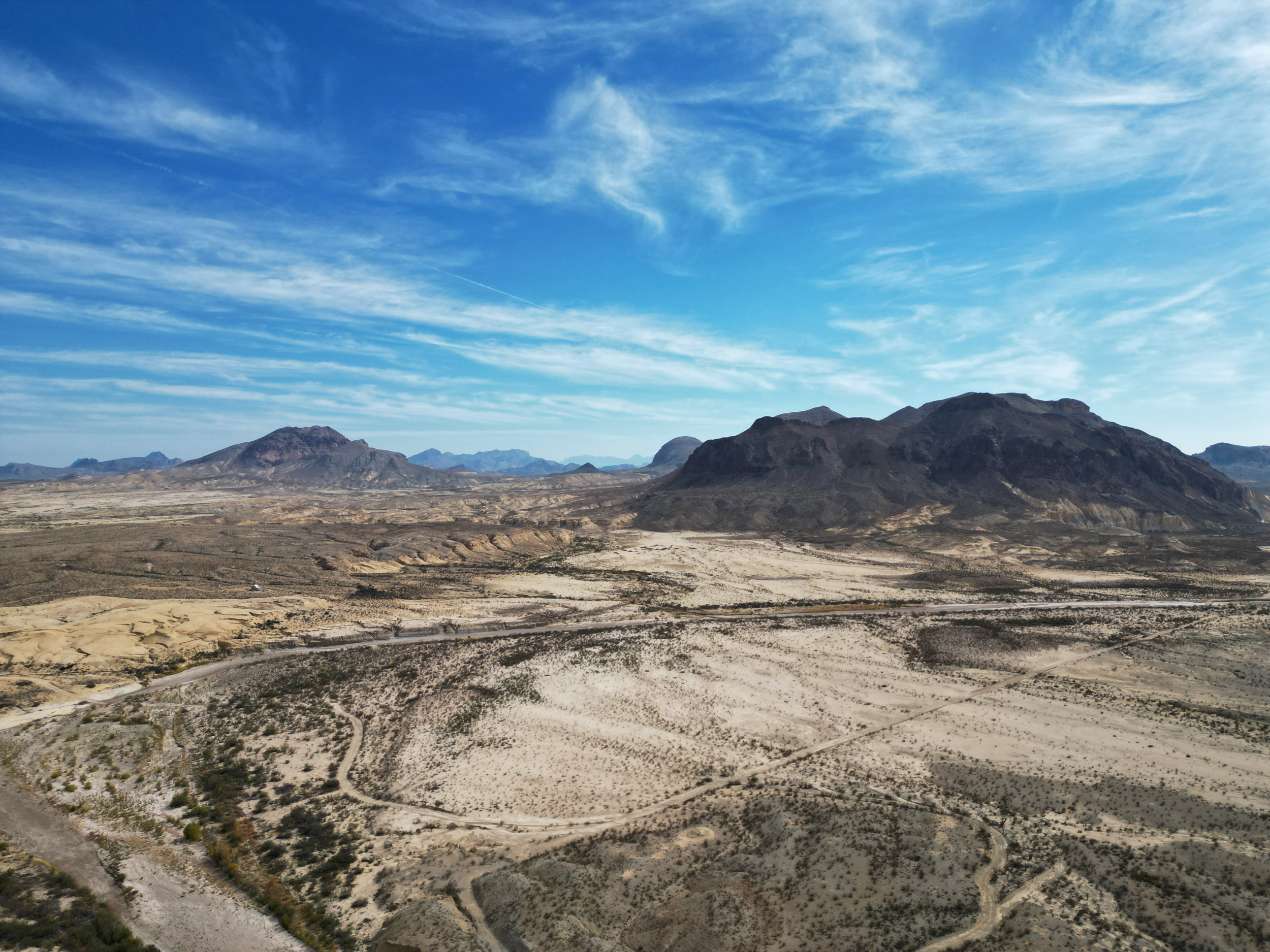
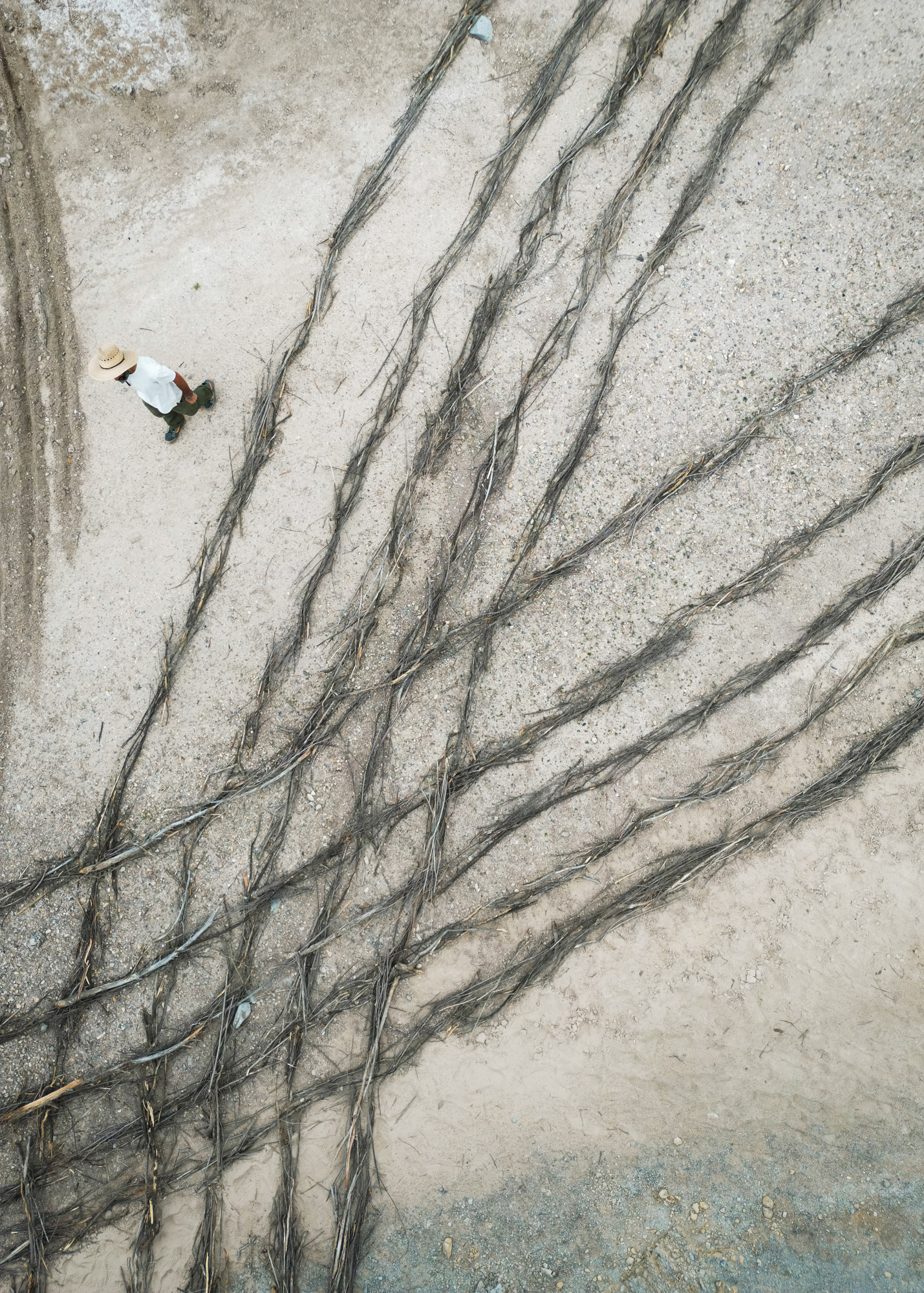
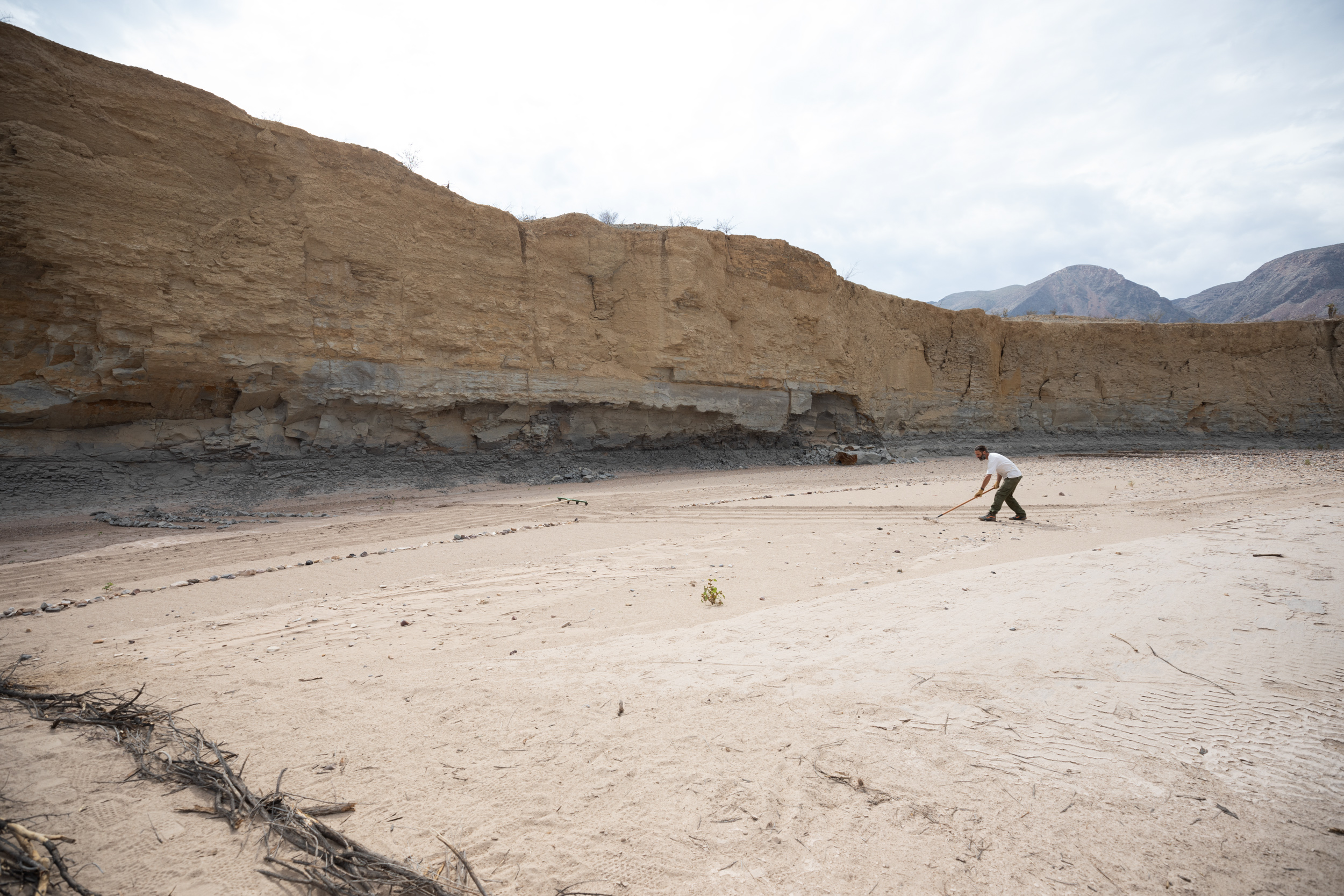
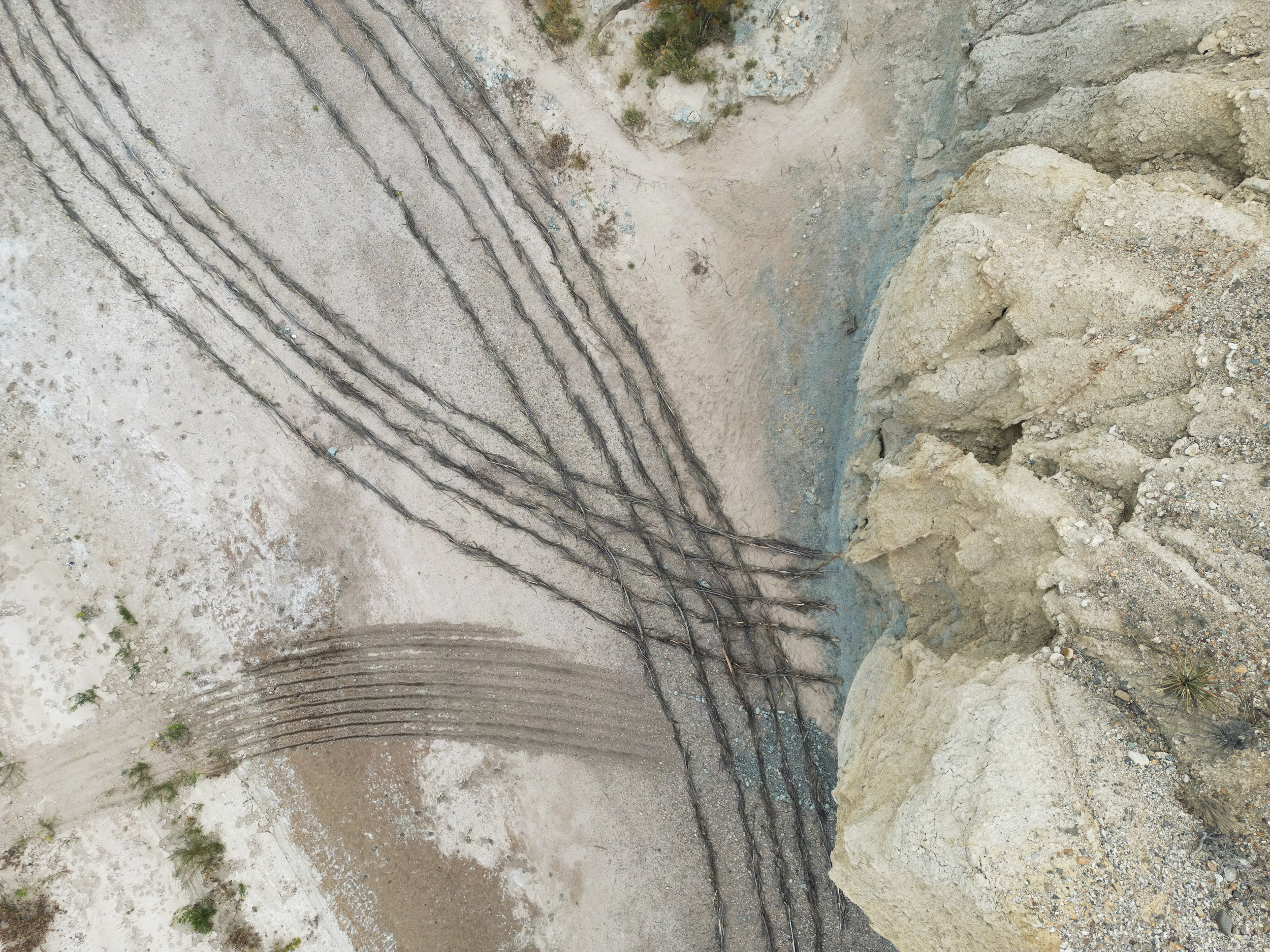
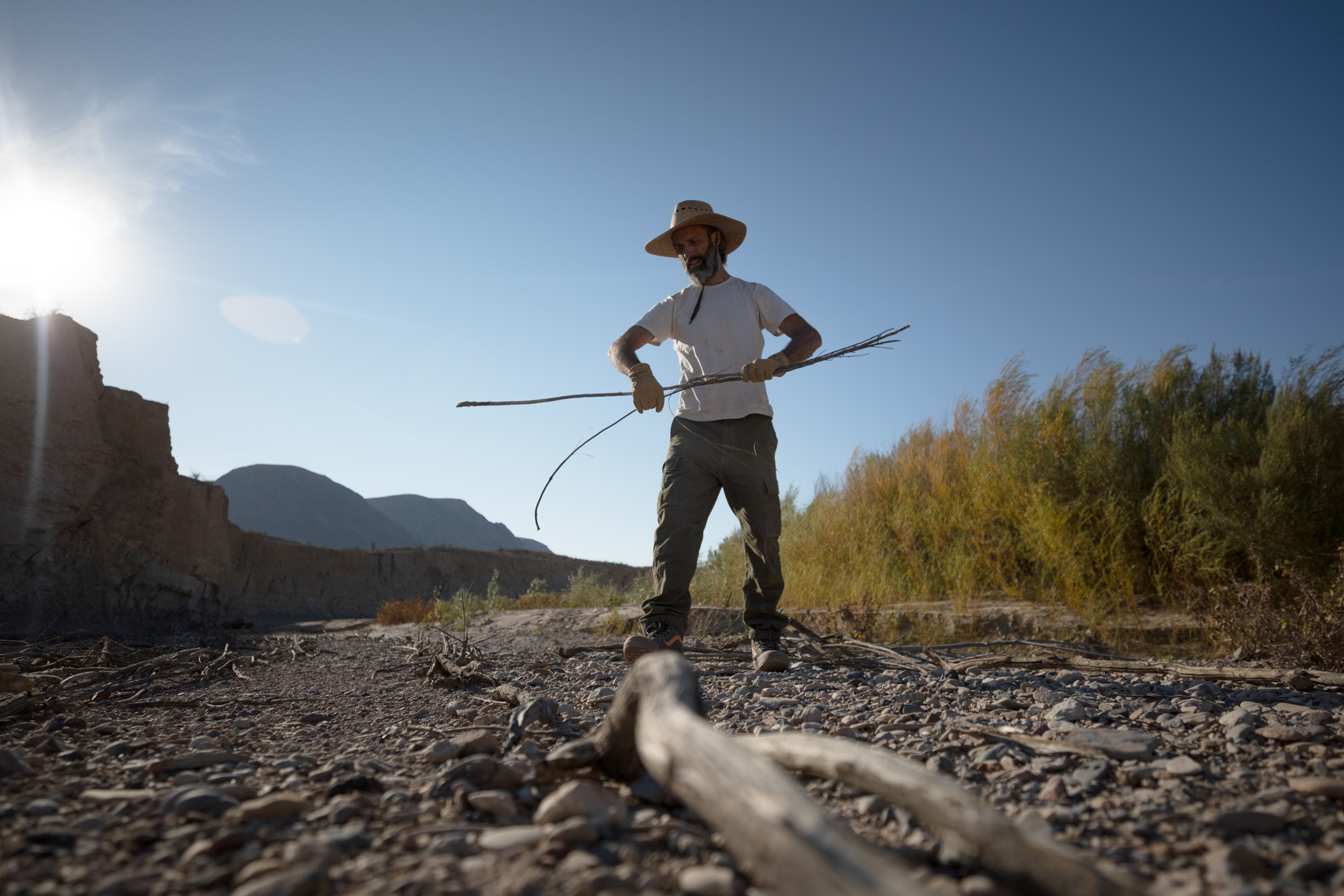
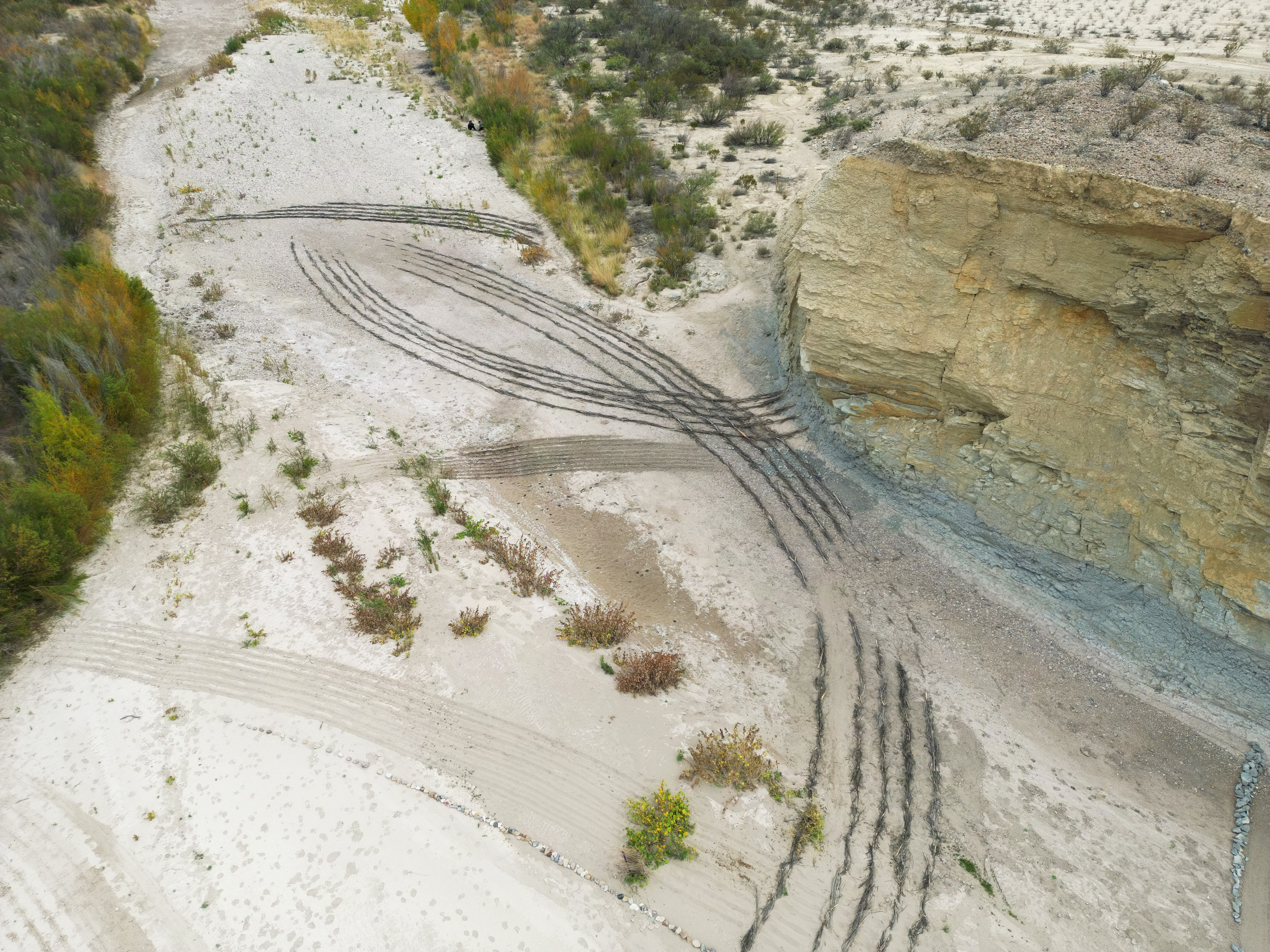
This place is Telingua Creek, in the Chihuahuan Desert: the bed of a river that is now most often dry, though it was once a permanent watercourse rich in biodiversity. This environment is perfect for expressing ideas of connection and transition. There, Romain Froquet explores the link between time, nature, and the human footprint by creating an ephemeral installation. Intended to be swept away by the annual flood, the installation reflects the water cycle and the temporal nature of desert ecosystems.
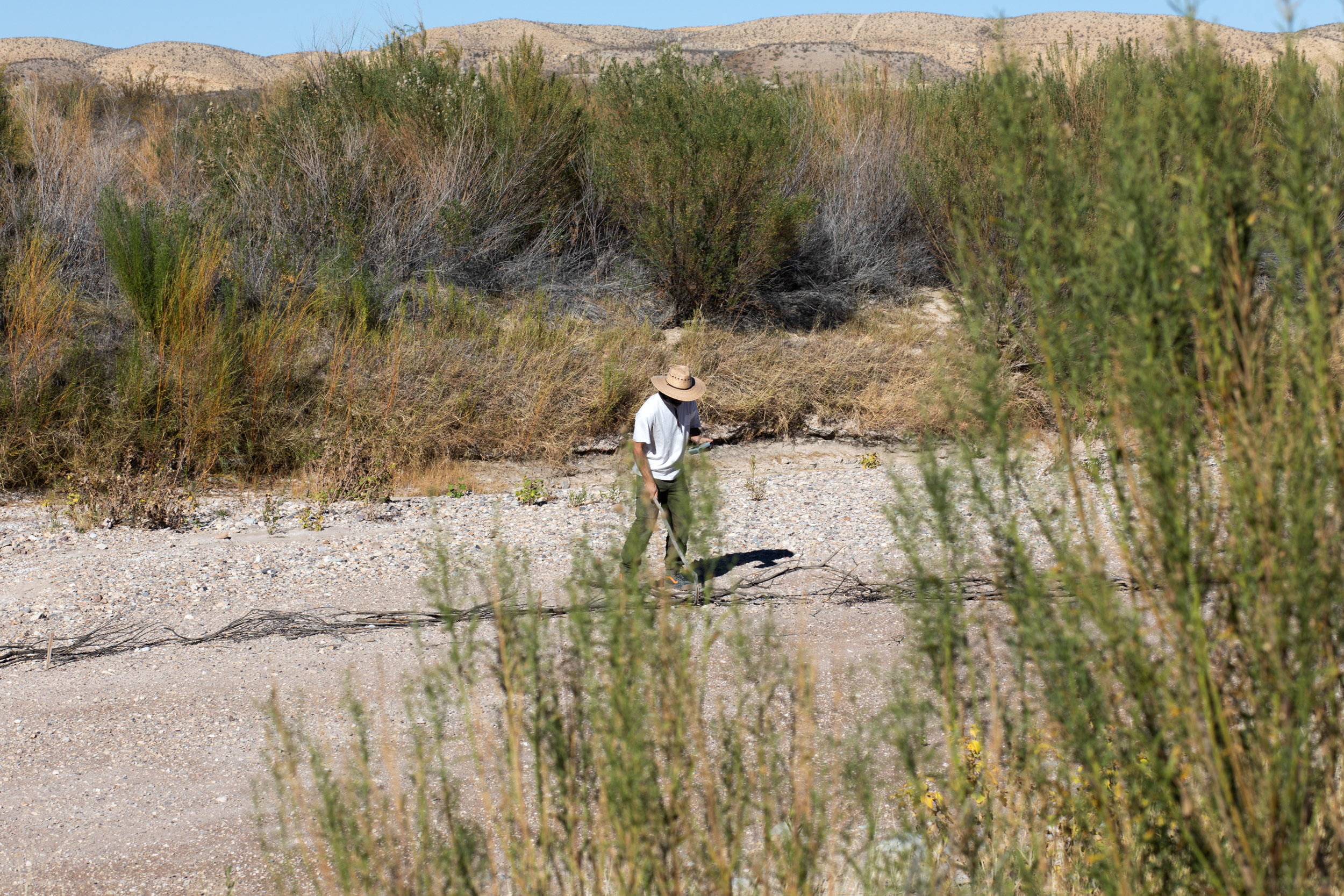
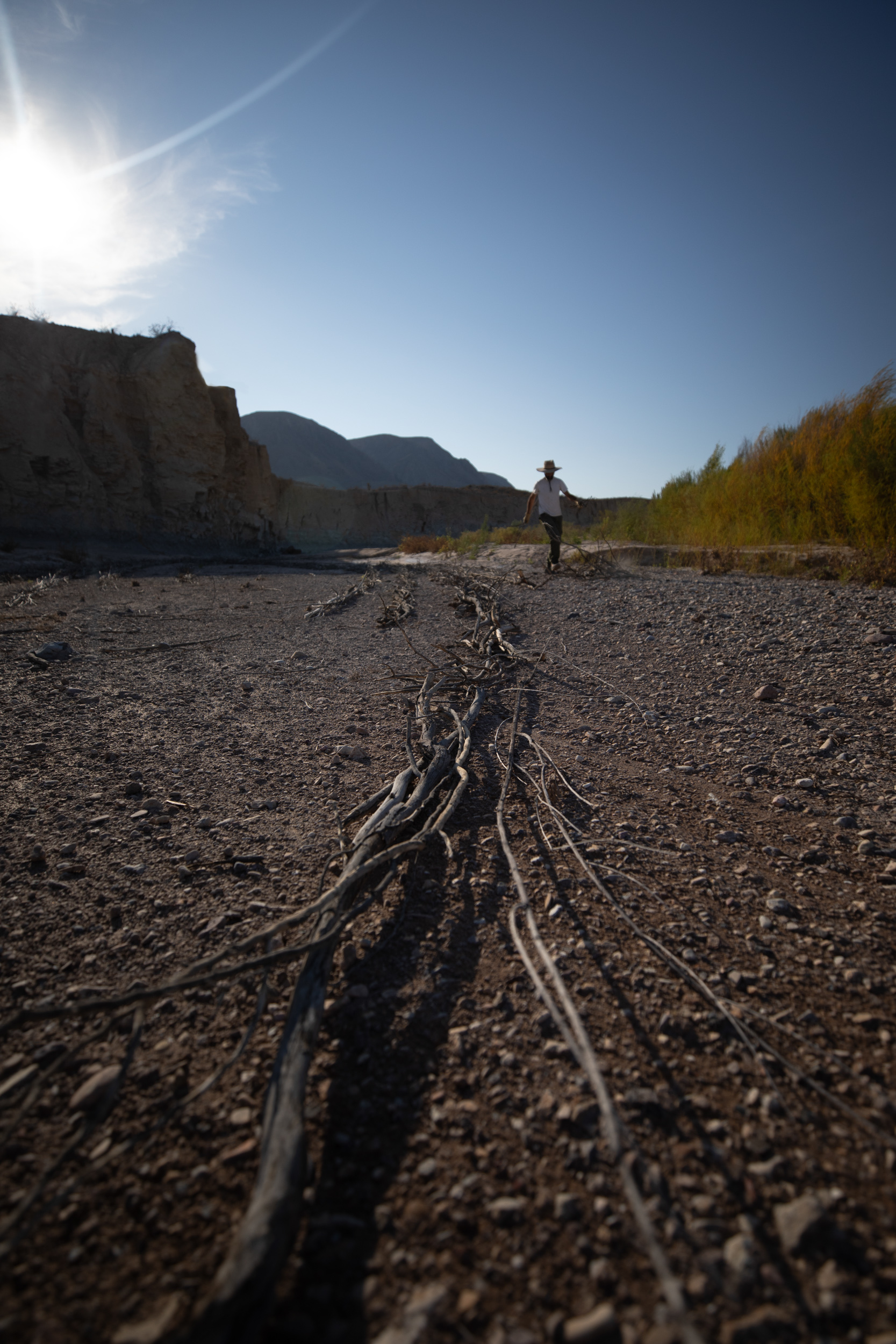
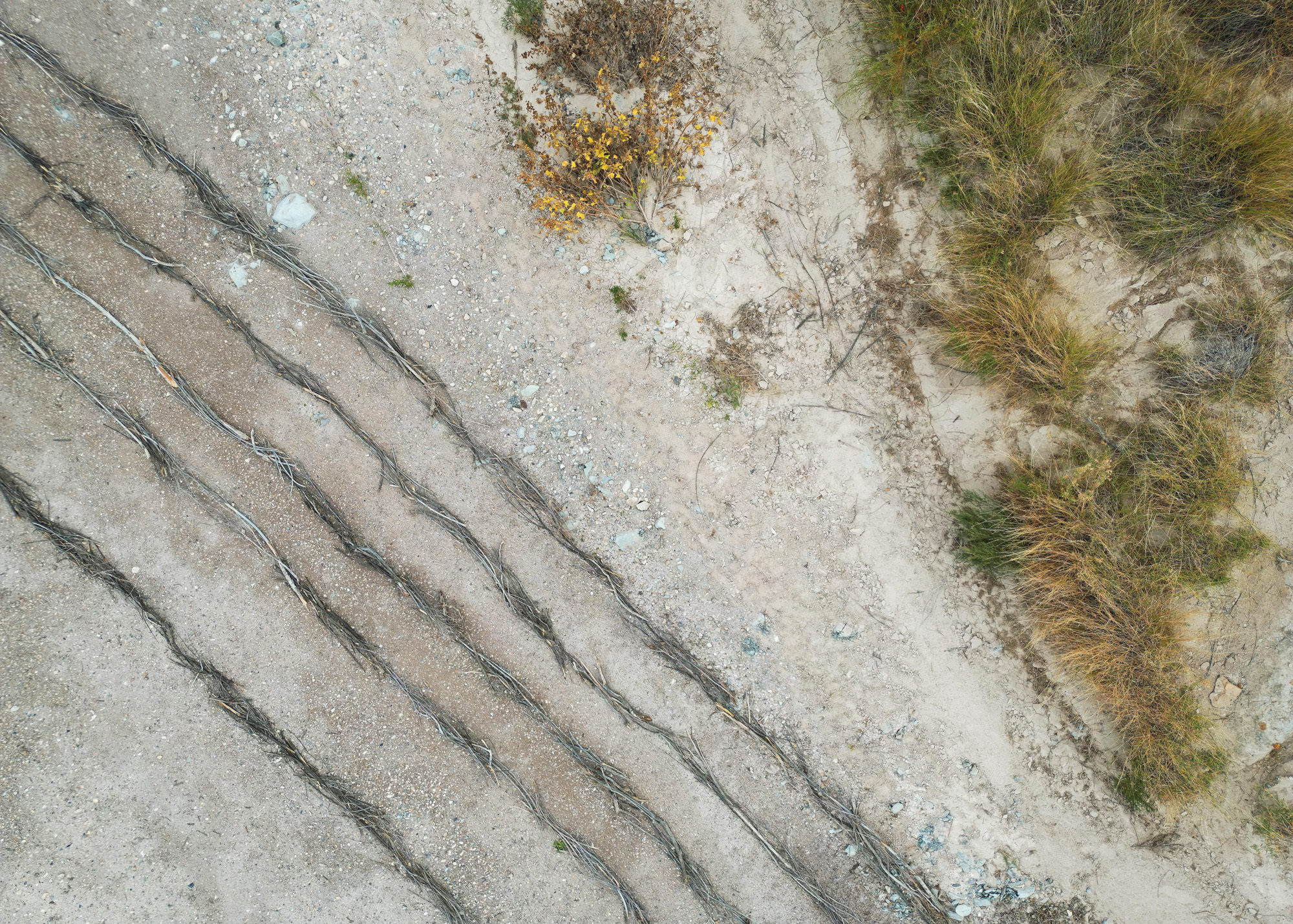
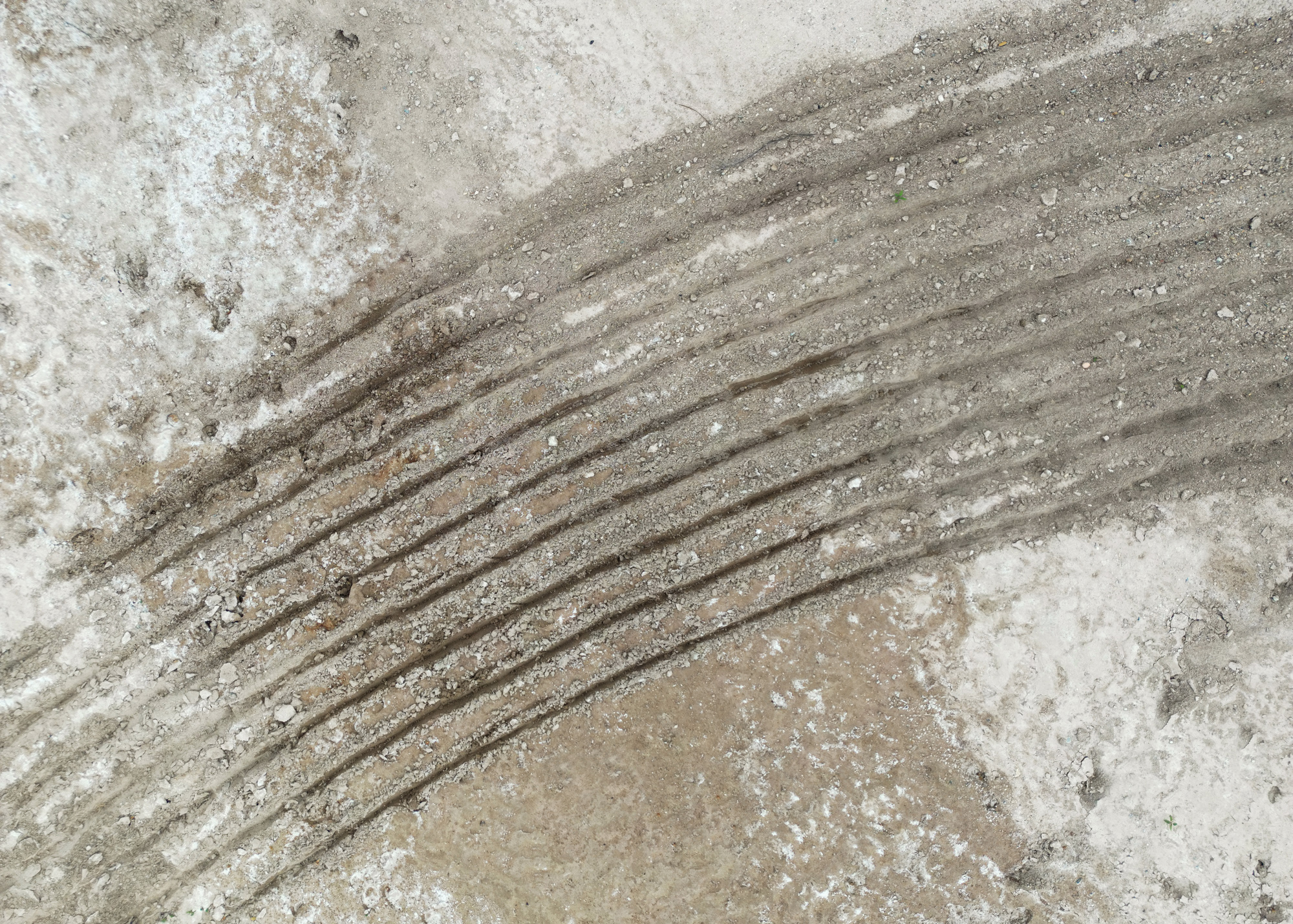
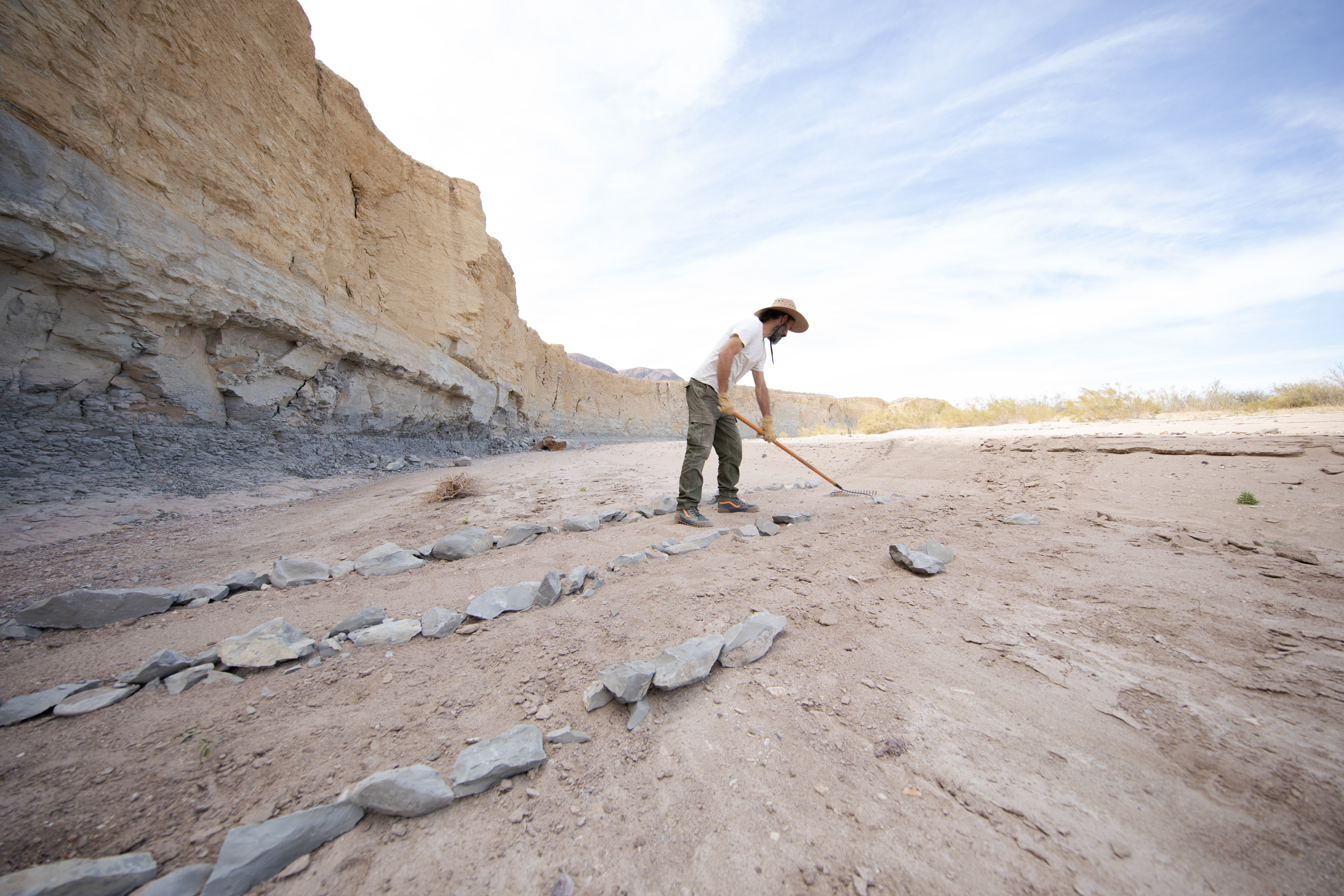
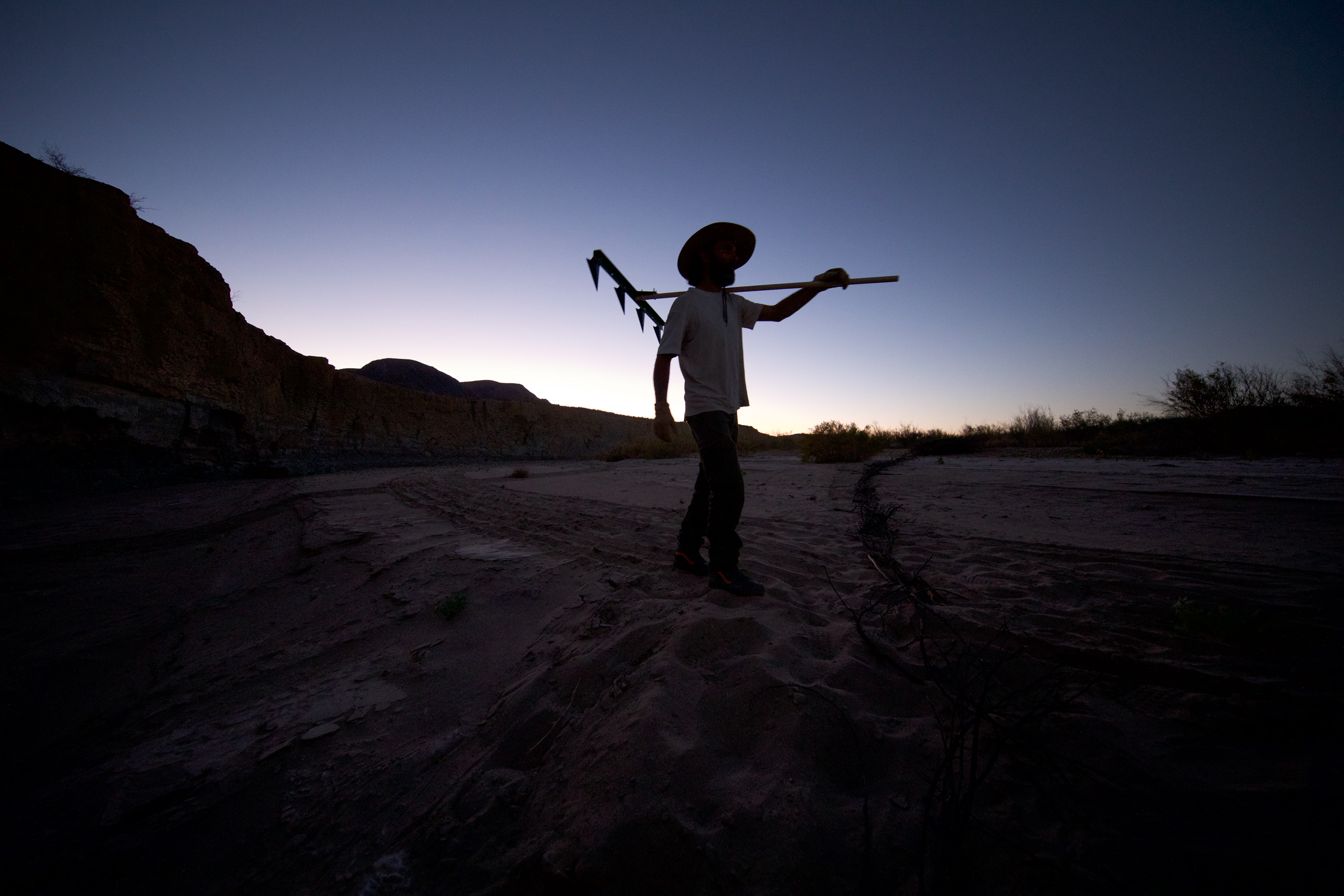
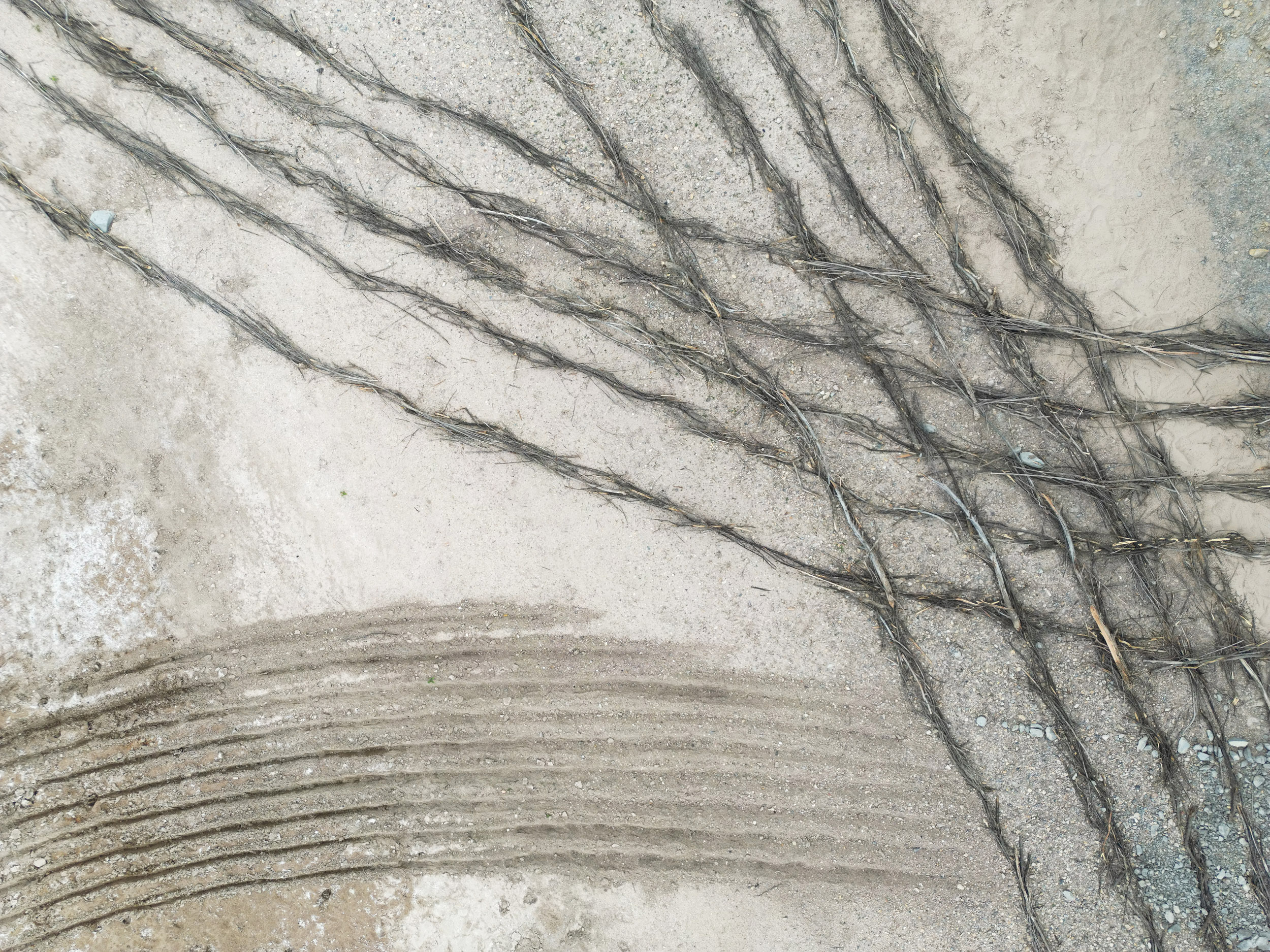
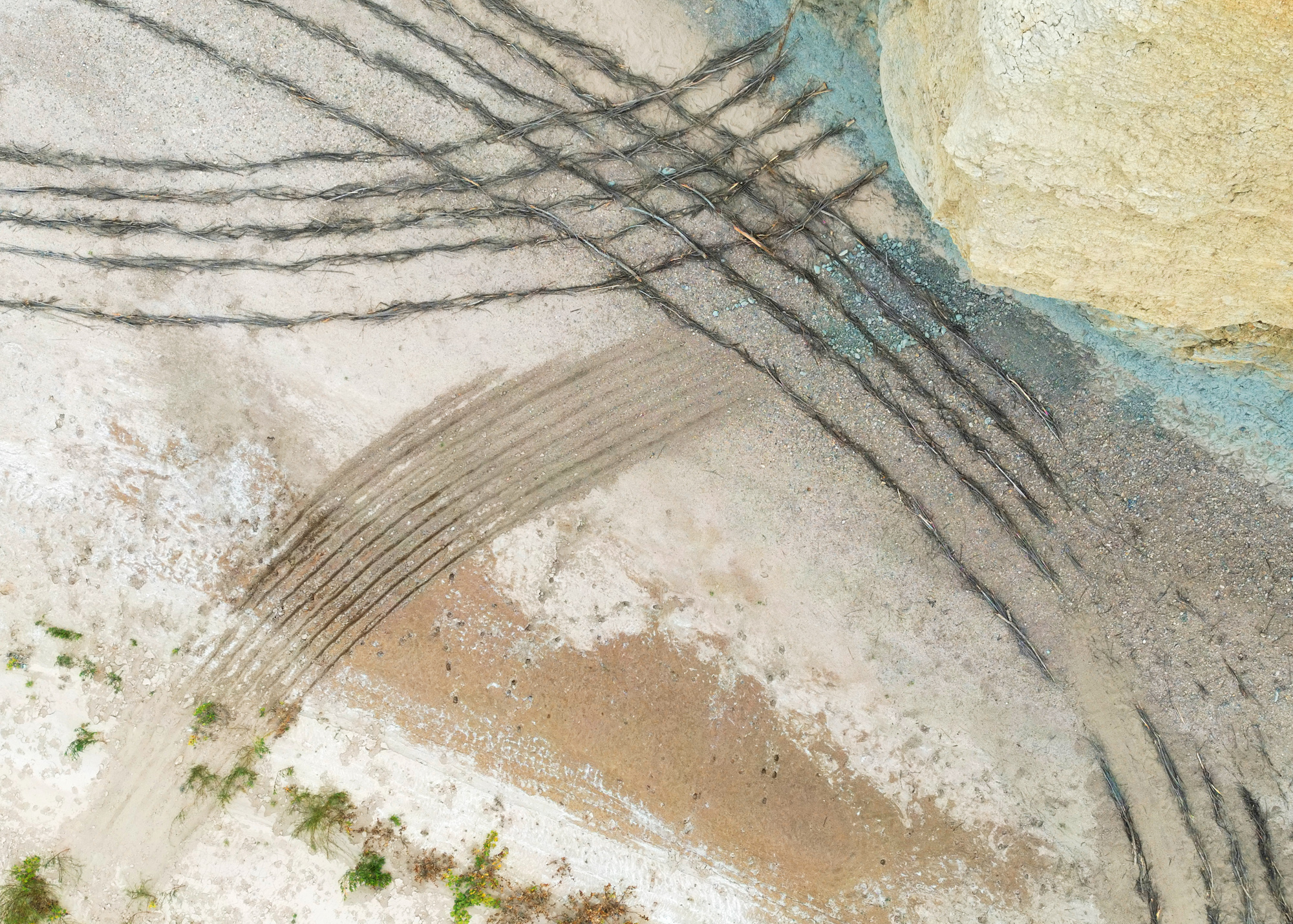
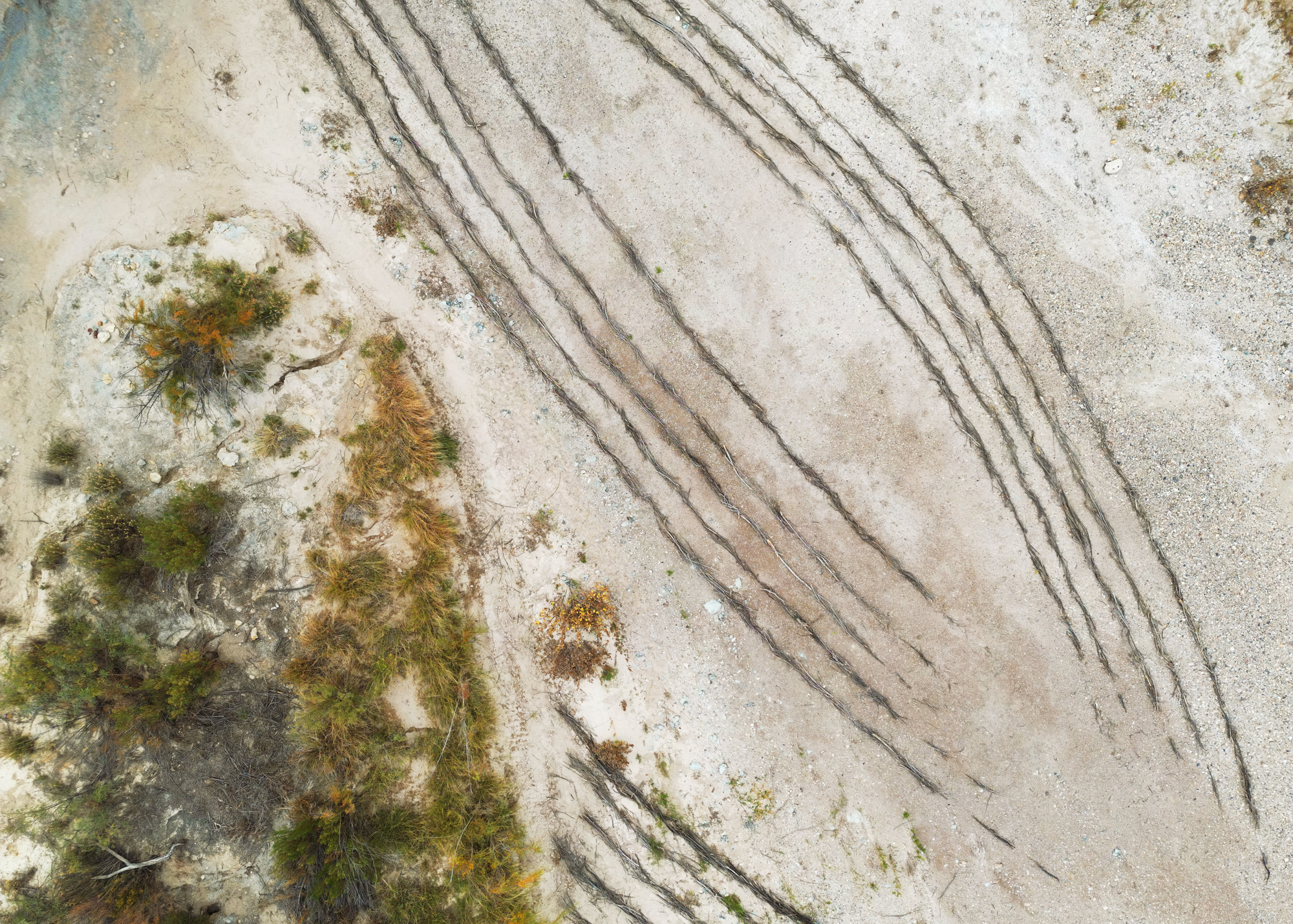
This land art project, called Connections, begins with a careful survey of the site and a selection of natural materials found on site: dead wood, stones, and dust. Before arranging these elements, Romain Froquet sketches, digs, and rakes the ground, inspired by the river’s natural curves. The artistic installation then comes into harmony with the winding forms of the desert. It is part of a contemporary artistic approach that combines visual art research, ecological commitment, and immersive experimentation. At once visual, sensory, and philosophical, this artwork questions the memory of places and our own perception of the world.
Soon, no trace of Connections will remain at Telingua Creek, but the project is continuing. A documentary has been made about the work. Large format photographs of the installation were taken. Romain Froquet also created a series of Gesture paintings inspired by the project, using natural pigments collected on site.